



7 Things to Do Before Baby Arrives If You Plan to Breastfeed
You've researched strollers, compared car seats, started your baby registry, and probably spent more time than you'd like to admit looking at nursery furniture.
But have you thought about how you're going to prepare for breastfeeding?
If you're planning to nurse, pump, or combination feed, there's something I want you to know before your baby arrives:
Breastfeeding is natural, but that doesn't mean it always comes naturally.
And while you can't predict exactly how feeding will go, there are a few things worth doing during pregnancy so you're not trying to figure everything out for the first time with a newborn in your arms.
As a Certified Lactation Counselor and mom of four, I've helped thousands of moms navigate breastfeeding and pumping. Here are seven things I'd encourage expecting moms to do before delivery.
1. Take a Prenatal Breastfeeding Class
You probably have a birth plan, but what about a plan for feeding your baby?
A prenatal breastfeeding class can help you understand what to expect after delivery, what questions to ask, and what support might be helpful.
You don't need to know everything before your baby arrives. But walking into those first few days with some foundational knowledge can make a big difference.
And if you're planning to pump or combination feed, make sure your prenatal education includes those options, too.
2. Learn What to Expect During the First Few Days
Those first days of breastfeeding might look different from what you're imagining.
Your baby will be learning how to feed, you'll be recovering from delivery, and you'll both be adjusting to something completely new.
Understanding what's typical during the early newborn stage can help you feel more prepared and recognize when it's time to ask for help.
You don't need to memorize a feeding schedule or anticipate every possible challenge.
You just need to know that there's a learning curve, and it's worth preparing for.
3. Find Out What Breastfeeding Support Your Hospital Offers
You know where you're delivering, but do you know what happens when you need help feeding your baby?
Before delivery, find out whether your hospital or birth center has lactation professionals available and what kind of support they provide.
A few questions worth asking:
- Is lactation support available during my hospital stay?
- What happens if my baby has trouble latching?
- Will someone help me with pumping or expressing milk if necessary?
- Is there breastfeeding support available after discharge?
Hospital support varies, and it's much easier to ask these questions before you're recovering from delivery.
And remember: You don't need to wait until something goes wrong to ask for help.
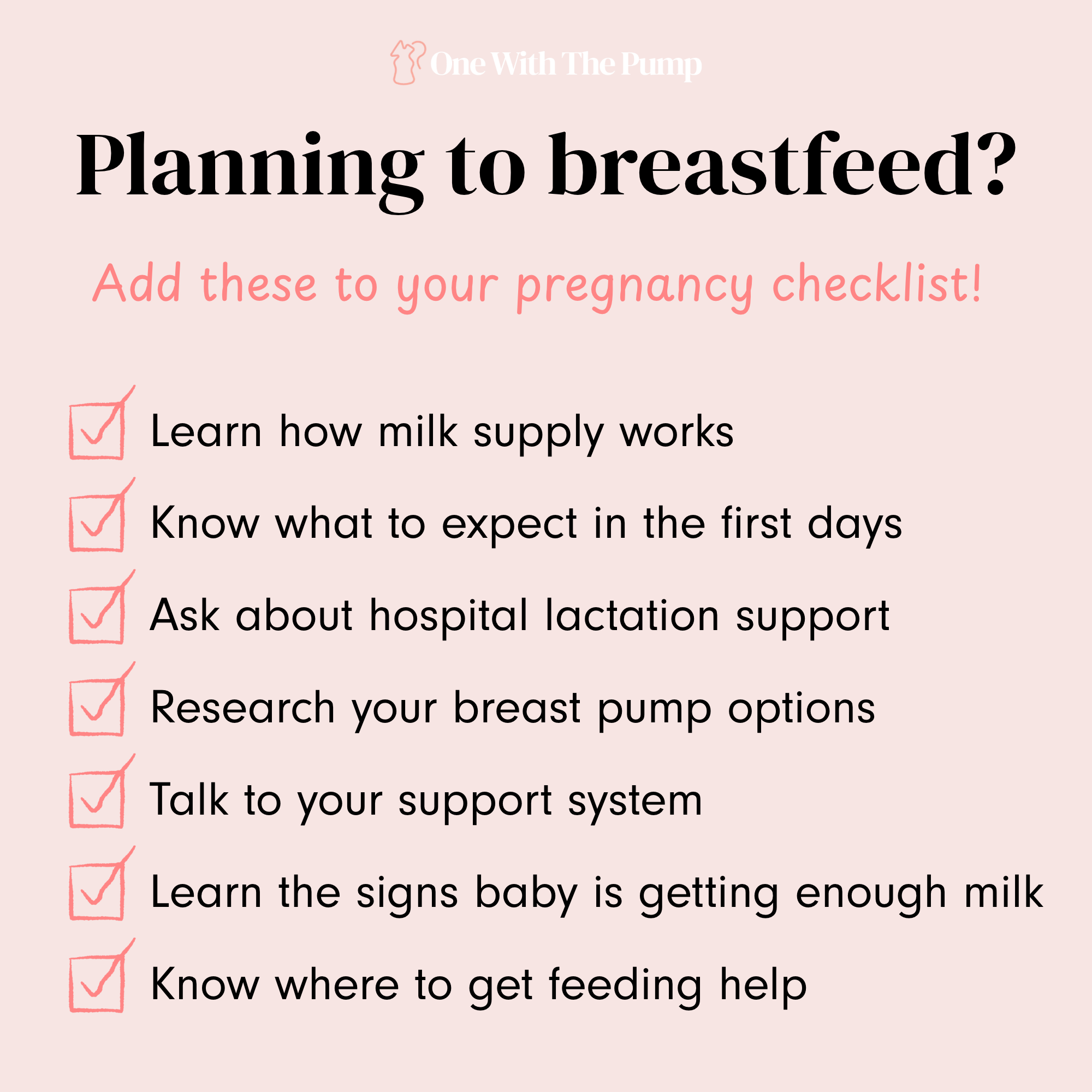
4. Order Your Breast Pump Through Insurance
Yes, even if you're planning to exclusively nurse.
I recommend that expecting moms have a reliable primary breast pump available before their baby arrives.
You might not need to use it right away, but if pumping becomes necessary, you'll be glad you aren't scrambling to research pumps, navigate insurance coverage, and wait for shipping while caring for a newborn.
Here's what I'd do:
- Check your insurance coverage. Many insurance plans cover a breast pump, although available models, upgrade costs, and ordering requirements vary.
- Start the process during your third trimester. Some plans let you order earlier, while others have specific shipping or fulfillment timelines.
- Prioritize a primary pump. Even if you love the idea of a wearable, I recommend starting with a dependable primary pump rather than relying solely on a wearable.
And one more thing: You don't necessarily need to put a breast pump on your registry. Check what your insurance will cover first.
Not sure which pump to choose? Read my Primary, Secondary, and Wearable Breast Pumps: What You Need To Know before placing your order, and check out all my breast pump reviews.
5. Have a Conversation With Your Partner or Support System
Breastfeeding might be something you're physically doing, but that doesn't mean everything related to feeding should fall on you.
Before baby arrives, talk about what support could look like.
Who can handle meals? Who can wash pump parts or bottles? Who can take care of other household responsibilities while you're feeding or recovering? Can your partner feed the baby while you pump, especially for those middle of the night sessions?
These conversations are a lot easier to have before you're both running on very little sleep.
And even if your partner is incredibly supportive, it helps to talk through what that support will actually look like.
6. Find a Lactation Professional Before You Need One
One of the last things you want to do when you're exhausted and worried about feeding is start searching for someone who can help.
Before delivery, research the lactation resources available in your area.
Check whether your hospital offers follow-up appointments, ask your pediatrician about recommendations, and look into virtual support options.
You may never need additional help, but having a name and contact information ready can save you a lot of stress.
7. Remember That Your Feeding Plan Might Change
You can have every intention of nursing exclusively and discover that your journey looks a little different.
Maybe pumping becomes part of your routine. Maybe you decide combination feeding works better for your family. Maybe you need extra support along the way.
That doesn't mean your original plan was wrong.
It means feeding a baby isn't always something you can predict before they're here.
The goal isn't to prepare for every possible problem. It's to understand your options before you're faced with decisions you weren't expecting.
And that's one of the biggest reasons I believe breastfeeding preparation should happen during pregnancy, not only after delivery.
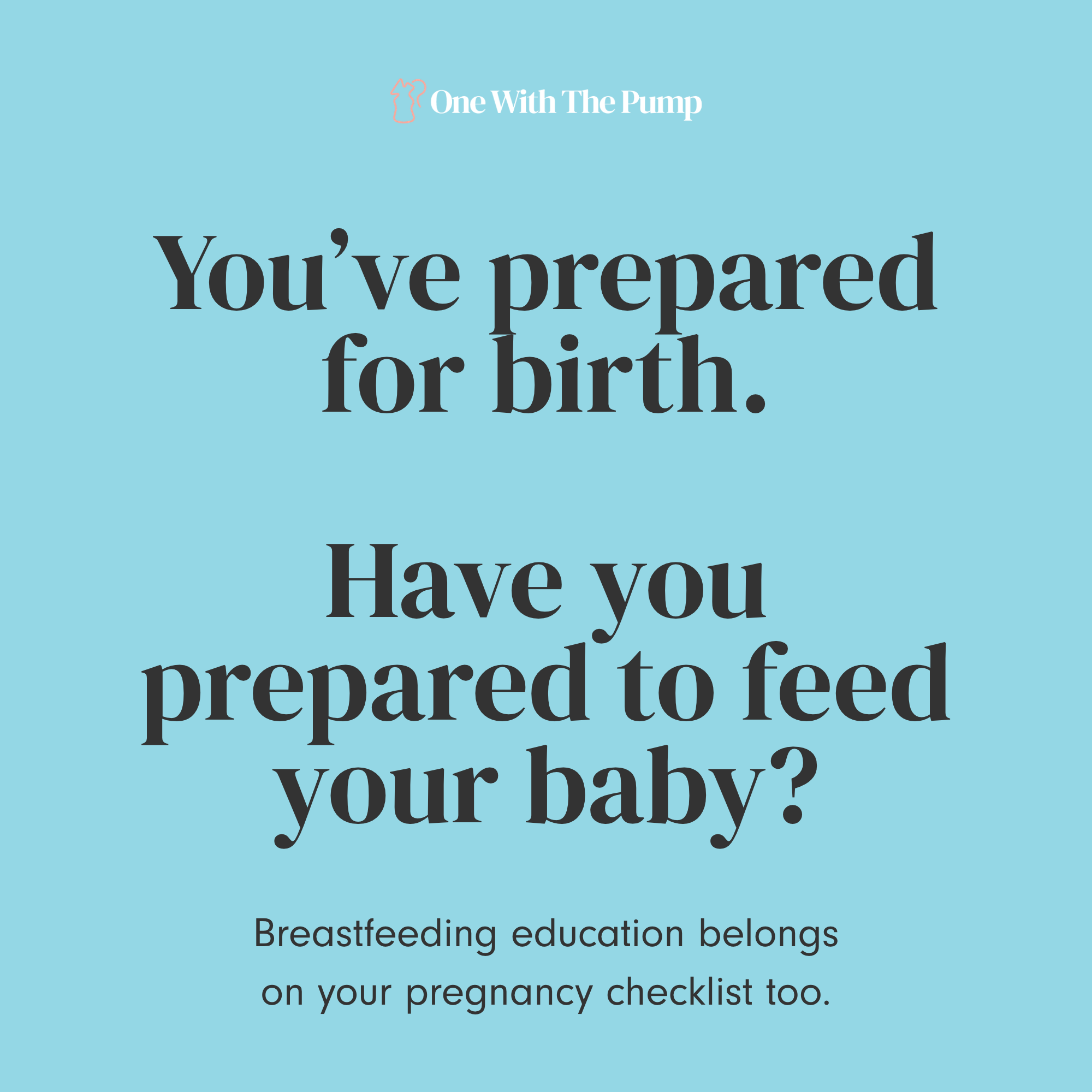
You've Prepared for Birth. Have You Prepared to Feed Your Baby?
There are so many things to think about when you're expecting.
But while you're preparing the nursery, buying the baby gear, and getting ready for delivery, don't forget to prepare for what comes next.
You don't need to become an expert in breastfeeding before your baby arrives.
You just deserve to feel informed, supported, and a little more confident heading into those first postpartum days.
Get Prepared With the Milk Supply Roadmap
That's exactly why I created The Milk Supply Roadmap™ a three-day live experience for expecting and early postpartum moms.
We'll cover what you need to know about establishing and protecting milk supply, preparing for feeding in the hospital, and navigating nursing, pumping, or combination feeding.
Because there's a big difference between hoping breastfeeding goes smoothly and feeling prepared for the experience.
Explore the Milk Supply Roadmap
This article is for educational purposes and is not a substitute for individualized medical or lactation advice.

