


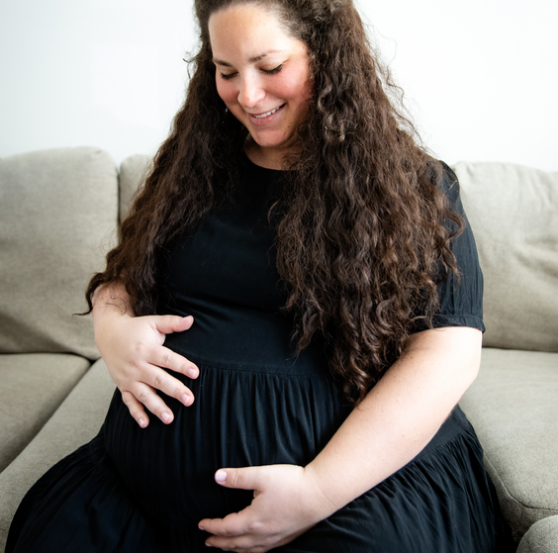
What I Wish Every Pregnant Mom Knew About Breastfeeding
When you're pregnant, everyone wants to talk about labor.
Your birth plan. Did you pack your hospital bag yet. What color is the nursery. The best car seats.
And while all of those things matter, there's something you'll be doing long after labor is over that surprisingly doesn't get nearly enough attention:
Feeding your baby.
After helping thousands of moms with both nursing and pumping, there are a few things I wish every pregnant woman knew before her baby arrived.
Because I genuinely believe that a little preparation can make your feeding journey feel so much less stressful.
If I could sit down with every pregnant mom over coffee, here's exactly what I'd tell her.
Breastfeeding Doesn't Have To Look One Way
This is probably the biggest one.
Somewhere along the way, many of us develop a picture in our heads of what breastfeeding success is supposed to look like.
For some moms, that picture is exclusively nursing.
For others, it's pumping.
Maybe it's building a freezer stash.
Maybe it's never touching a pump.
Maybe it's nursing during the day and bottles at night.
Maybe it's exclusively pumping.
Maybe it's supplementing with formula.
The truth?
Breastfeeding is not one-size-fits-all.
One of the biggest lessons I've learned throughout my own feeding journeys is that success doesn't have to look the way you imagined it would during pregnancy.
I spent years wanting to be a nursing mom. And while I absolutely loved nursing, I eventually realized I also loved flexibility. I loved being able to leave my baby with someone else. I loved knowing that a bottle could be given if I needed a break.
Your feeding journey gets to work for your family.
Not someone else's.
The goal isn't to fit into a specific feeding category.
The goal is feeding your baby and supporting your own physical and mental health along the way.

The Breast Pump You Choose Actually Matters
One thing I wish more pregnant moms knew? Your insurance will likely cover a breast pump - and sometimes much more than that.
Many insurance plans cover a breast pump for every pregnancy, and some even offer additional breastfeeding benefits like lactation consultations, breastfeeding classes, replacement pump parts, and monthly milk storage supplies. It's absolutely worth calling your insurance company to ask what's included in your coverage.
Once moms realize they can get a pump through insurance, the next question is usually:
"Okay... but which one?"
That's where things can get overwhelming. Not all breast pumps are created equal, and the pump you choose can have a huge impact on your feeding experience.
One of the biggest mistakes I see is moms choosing a wearable pump as their primary pump because it looks convenient. And listen - I love wearables. I use them, I recommend them, and I think they can be a total game changer for those 1-2 times a day where being hands-free is a must.
But most moms should start with a strong primary pump first.
A wearable pump is designed to give you flexibility. A primary pump is designed to establish and protect your milk supply.
Those are two very different jobs.
Before you order your pump, spend some time reading reviews, understanding the different pump types, and learning what will best fit your goals and lifestyle.
Related Reading: Primary, Secondary, and Wearable Breast Pumps: What You Need to Know
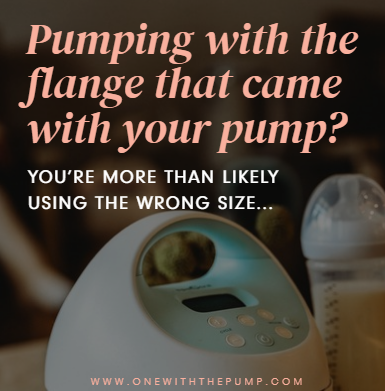
The Flanges That Come With Your Pump Probably Won't Fit
Nobody is going to tell you this.
You spend all this time researching pumps, and then when the box arrives, you assume the parts inside are meant to fit you.
Unfortunately, that's often not the case.
Most pumps come with standard flange sizes, but many moms need something completely different.
And using the wrong flange size can lead to:
- Pain
- Nipple damage
- Reduced milk output
- Poor breast emptying
- Frustration
The good news is that flange sizing is something you can learn before your baby even arrives.
Watch: Should you size your breast pump flanges while pregnant
You can also download my free flange ruler here.
Trust me when I say this is one of those small things that can make a very big difference.
Pumping Should Not Hurt
Let's just clear this one up now.
Pumping should not hurt. Discomfort when you're first learning? Maybe.
Pain? No.
Bleeding? No.
Cracked nipples? No.
Some of the most common reasons pumping hurts include:
- Incorrect flange sizing
- Pump settings that are too high
- Improper pump setup
- Elastic nipples
If pumping hurts, your body is giving you information. Listen to it.
Don't assume it's something you just have to push through.
You Do Not Need Every Breastfeeding Gadget On Instagram
Pregnancy has a funny way of convincing us we need approximately 47 different products before our baby arrives.
The algorithm knows you're pregnant.
And it is coming for your wallet.
Listen, I love a good baby product.
But if you're building a registry or shopping before the baby arrives, focus on the basics first.
What you actually need:
- A good primary breast pump
- A pumping bra
- Milk storage bags
- A drying rack and way to clean your parts
- A way to transport milk if you'll be away from home
That's it.
Could you eventually decide you want a wearable pump? Absolutely.
A breast milk chiller? Love them.
A fancy pump bag? Go for it.
But don't feel like you need every gadget before you've even met your baby.
Most moms need far less than social media would have you believe.
Learn About Pumping Before You Need To Pump
One of the biggest misconceptions I hear is:
"I'll learn about pumping when I get there."
And you absolutely can.
But learning before baby arrives is so much less stressful than learning while you're recovering from birth, sleeping in two-hour increments, and trying to figure out why your baby is crying.
The moms who feel the most confident about feeding aren't necessarily the moms who never face challenges.
They're often the moms who prepared ahead of time.
They learned:
- How pumping works
- How often to pump
- How to use their settings
- How flange sizing works
- What normal milk production looks like
Before they desperately needed the information.
A Final Note For Pregnant Moms
If you're pregnant and feeling overwhelmed by all the breastfeeding advice online, take a deep breath.
You do not need to know everything before your baby arrives.
You do not need a freezer stash.
You do not need every gadget on the market.
You do not need a perfect plan.
What you do need is a solid foundation and support when questions come up.
That's exactly why I created The Ultimate Pumping Course and our Pumping Consults to help moms feel confident before, during, and after their baby arrives.
Because breastfeeding isn't something you're supposed to figure out alone.
And trust me, it's a lot easier when someone shows you the ropes before you're trying to do it at 2 a.m. with a hungry baby in your arms.

