


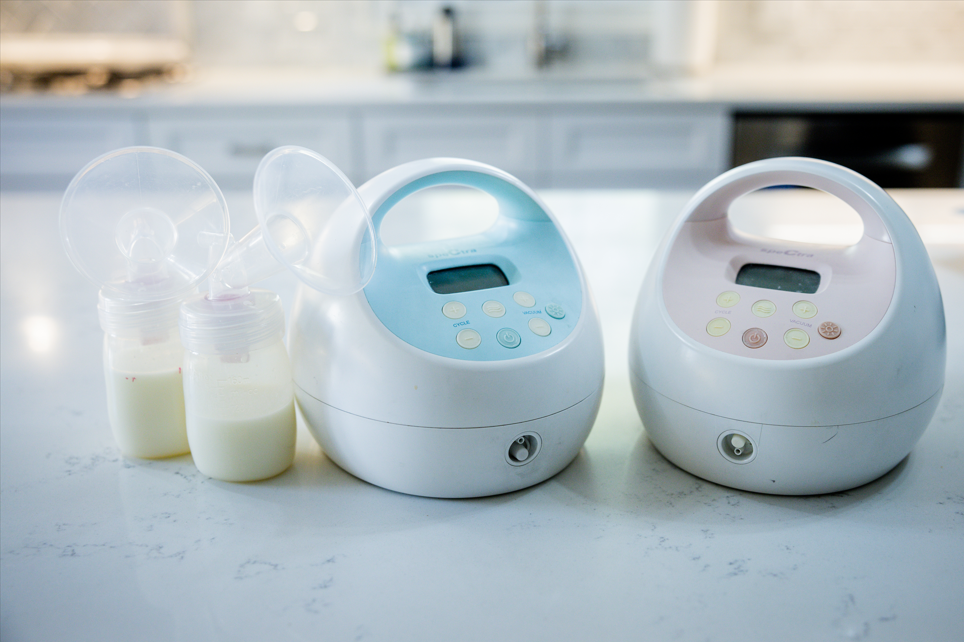
Planning To Pump? Here's What To Do Before Baby Arrives
Most moms spend pregnancy preparing for labor, decorating a nursery, and figuring out what baby gear they need.
Very few spend time learning how to use a breast pump.
And then baby arrives.
You're exhausted, overwhelmed, trying to recover from birth, and if nursing isn’t working or you prefer to pump, you’re suddenly expected to know how to use a machine you've never touched before.
Let's change that.
If you're planning to pump - whether exclusively pumping, combo feeding, or alongside nursing - here's what I'd do before baby arrives.
Step 1: Call Your Insurance Company
Most moms know insurance may cover a breast pump.
Many don't realize their plan may also cover:
- Lactation consultations and education
- Additional pump parts
- Milk storage bags
- Breastfeeding supplies
- Follow-up lactation support
Every insurance plan is different, which is why it's worth making a quick phone call before baby arrives.
You might be surprised by what's available.
If you're still pregnant, now is the perfect time to make these calls. Trust me, it's a lot easier to sit on hold with your insurance company when you're pregnant than when you're holding a newborn and trying to remember the last time you ate.
Step 2: Order Your Breast Pump Early
Please don't wait until you're 38 weeks pregnant.
And please don't choose a pump based solely on what looks cute on Instagram.
Your pump is one of the most important breastfeeding tools you'll own.
I always recommend starting with a good primary pump. A primary pump is a pump that can empty you every time you use it. This is especially important in the early weeks when you're establishing your milk supply. A wearable pump might look more convenient, but convenience and milk removal are not always the same thing. Check out my full blog here to understand more on primary versus secondary pumps.
If you’re not sure where to start, I recommend taking my free Breast Pump quiz, to get matched with your perfect pump.
Always check out reviews, and don’t just rely on ordering the same pump your cousin ordered3 years ago, and said was “good enough”.
Step 3: Learn About Flange Sizing
What the flange? They come in sizes?
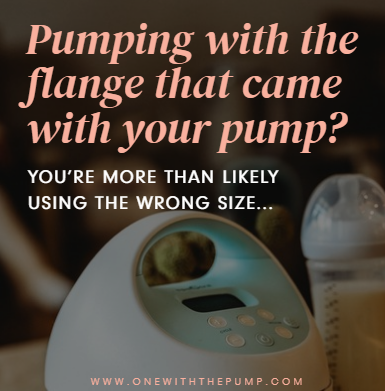
YES, and most of the the time the size that comes with your pump isn’t your size. Your pump will typically come with a 24 mm and 28 mm flange, which are much larger sizes. You can measure before baby gets here to get an idea of what size you might be, but definitely measure a few days postpartum to confirm. The right flange size can mean the difference between pumping comfortably and feeling like you're counting down the seconds until your session is over. Pumping should never be painful.
You can grab my free flange ruler here, but this is something we help moms with all the time inside our consults.
Step 4: Buy (At Least) One Extra Set Of Parts
This is a non-negotiable to me if you’ll be pumping more than once a day. Having a second set of parts especially in those early days can be a game changer, especially when you’re going to be pumping every 3 hours. Once you get your flange size, make sure to order a full extra set of parts minimally so that you can take a break from washing bottles every time you pump.
At 2 AM, when you've already pumped twice, the baby is awake again, and the sink is full, you'll thank yourself for having that extra set.
Step 5: If You Plan To Exclusively Pump, Put It In Your Birth Plan
If you are planning to exclusively pump, put it in your birth plan! Let your postpartum nurse know so she can ensure you get a hospital pump wheeled to your room. The first few pump sessions you might see very little to no milk since your milk may not have come in yet, but you can hand express to collect colostrum to give your baby as well.
Let the hospital LC know as well, she may be able to help you with the pump and give you some advice, but as a reminder, many hospital LC’s aren’t trained in pumping. If you want to ensure she doesn’t try to pressure you about nursing, letting your nurses and the LC know at the beginning of your postpartum recovery period can be helpful, and don’t be afraid to make your partner the bad guy to help reiterate your choices.
If your pump isn't with you, ask whether a hospital-grade pump can be brought to your room.
Step 6: Set Realistic Expectations For The First Week
One of the biggest mistakes I see new moms make is assuming that if they aren't pumping ounces and ounces of milk right away, something is wrong.
In reality, your body makes colostrum before your mature milk comes in, and colostrum is produced in very small amounts, as well as very thick which make it hard for your pump to remove.
That's normal.
Your baby doesn't need a full bottle of milk on day one.
In those early days, your focus isn't on filling a freezer. Social media makes it seem like everyone leaves the hospital with a freezer stash already started. They don't. Right now your job is to feed your baby and establish your supply.
Remember:
- Day 1 output is often measured in teaspoons, not ounces.
- Your milk may take several days to transition.
- Pump output the early days is not always an accurate reflection of supply in the beginning.
Knowing what's normal can save you a lot of unnecessary stress.
Step 7: Take Your Pump Out Of The Box Before Baby Arrives
I know this sounds obvious. But you would be amazed how many moms show up postpartum with a breast pump they've never opened.
Before baby arrives:
- Assemble your pump.
- Learn what all the parts are called.
- Sterilize your flanges, duckbills, backflow protectors, and bottles
- Read the manual
- Practice turning it on and navigating the settings.
As a reminder, nipple stimulation can induce labor, so talk with your medical provider before using your pump while pregnant.
But becoming familiar with your pump now means one less thing to figure out when you're recovering from birth and running on two hours of sleep. Knowing what a duckbill is before you're sleep deprived is surprisingly helpful.
Step 8: Talk To Your Partner Before Baby Arrives
One of the biggest mistakes I see is moms assuming they'll just figure it out when the baby gets here. A five-minute conversation before birth can save a lot of frustration later. Talk to your partner before the 3 AM MOTN pump and baby is crying and you’re out of clean parts.
Some questions to ask and discuss with your partner would be:
- Who handles bottle washing?
- Who handles middle-of-the-night feeds?
- How will you divide responsibilities?
Pumping is easier when it's not a one-woman show.
Step 9: Don't Wait Until There's A Problem To Find Support
One of the biggest myths I see is that lactation support is only for moms who are struggling.
The truth?
The best time to get support is before you're overwhelmed. The moms who get support early often avoid many of the problems that lead moms to seek support later
You don't wait until your car breaks down to find a mechanic.
You don't wait until you're in labor to find your OB.
And you don't need to wait until you're dealing with pain, low supply, clogged ducts, or constant frustration to find breastfeeding support.
Having someone in your corner who understands pumping can make a huge difference, especially in those first few weeks.
Final Thoughts
The moms who have the smoothest pumping journeys aren't necessarily the moms with the fanciest pumps, the biggest freezer stashes, or the most breastfeeding gadgets.
They're usually the moms who took a little time to prepare.
You don't need to know everything before the baby arrives.
But understanding your pump, having the right equipment, setting realistic expectations, and knowing where to get help can make a huge difference.
If you're looking for personalized support before the baby arrives, our Full Support Package helps you create a plan for your unique feeding goals. Whether you're trying to choose a pump, figure out flange sizing, create a pumping schedule, increase your milk supply, or simply feel more prepared before the baby arrives, our Full Support Package was designed to give you a clear plan and ongoing support every step of the way.

Learn more about our consultation packages here.

